This document presents an integrated decision-support system for drinking water distribution mains. The system combines reliability modelling, life cycle assessment (LCA), and multi-criteria decision analysis (MCDA) to support long-term infrastructure planning over a 120-year horizon.
System Overview:
The system integrates three main components: a reliability engine based on Markov chains and fault tree analysis, a life cycle environmental impact model, and an AHP-based ranking module.
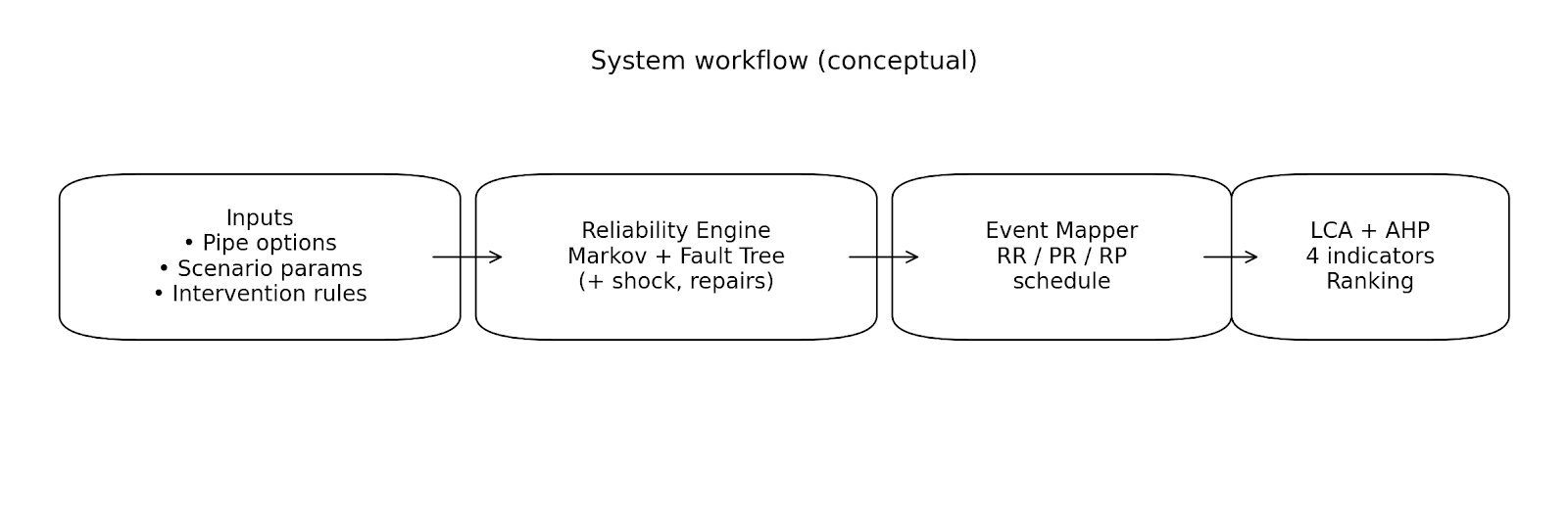
Figure 1. Overall system workflow (self-generated schematic).
Reliability Modelling:
Pipe deterioration is modelled using a discrete-time Markov chain with seven condition states. Annual functional failure probabilities derived from fault tree analysis and rare shock events are incorporated to capture realistic deterioration behaviour.
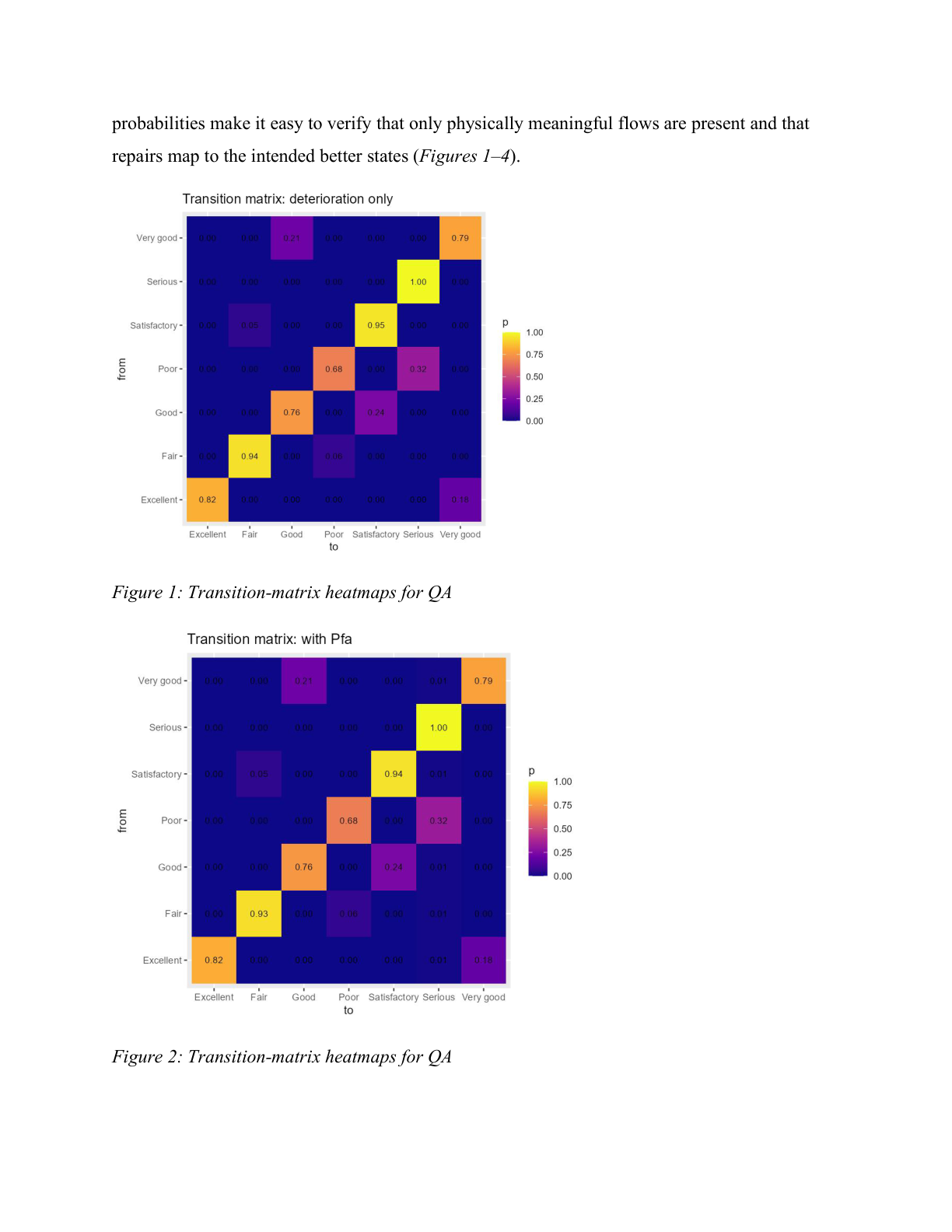
Figure 2. Markov transition matrix without interventions (source: Reliability report, p.7).
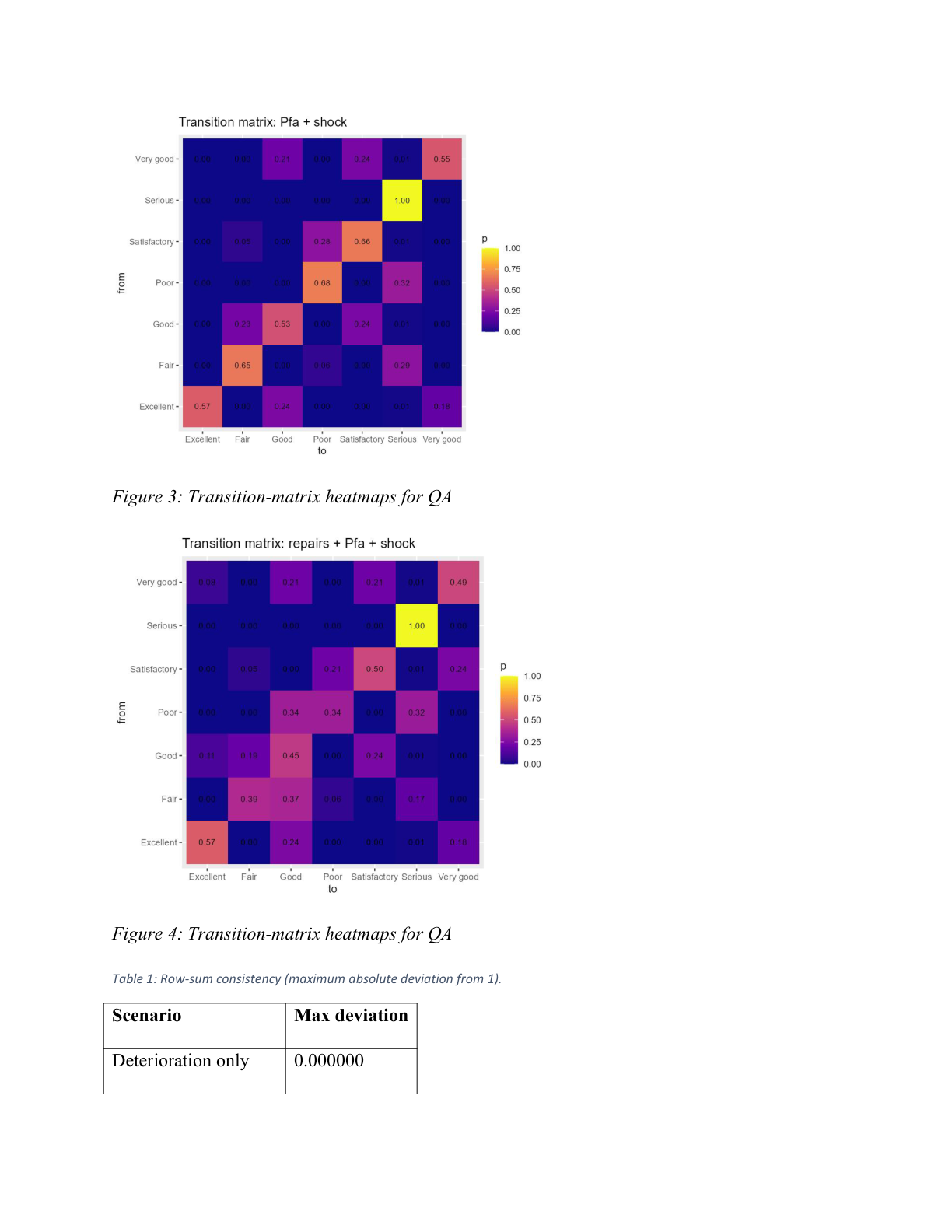
Figure 3. Markov transition matrix with shocks and repairs (source: Reliability report, p.8).
Reliability Results:
The model outputs include state probability evolution, survival curves, and annual incidence of entering the critical condition state.
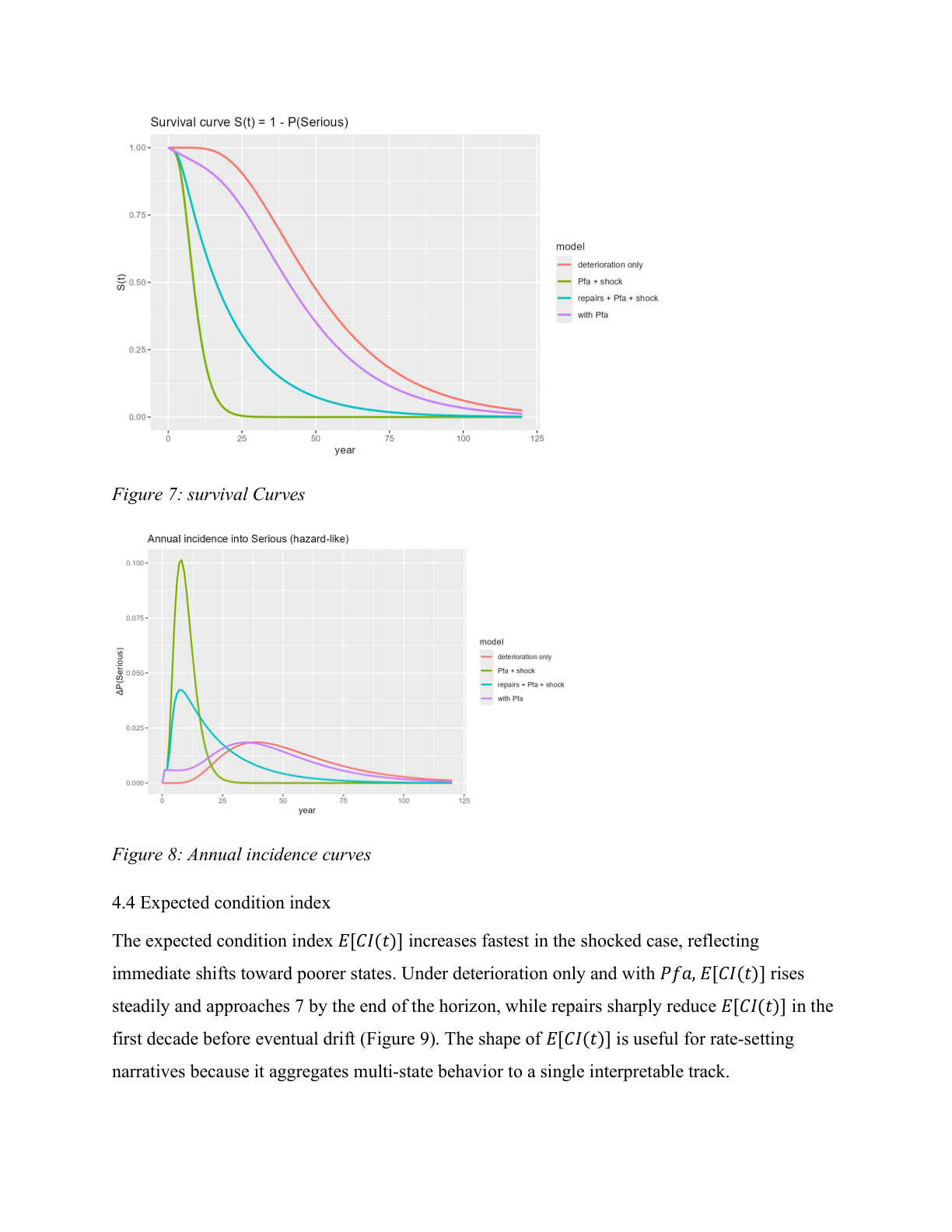
Figure 4. Survival curves and annual incidence (source: Reliability report, p.11).
Life Cycle Assessment:
A conceptual life cycle assessment was conducted for four DN300 pipeline options. The functional unit is 100 m of pipeline over 120 years, including pipe material production and repeated trench restoration due to maintenance interventions.
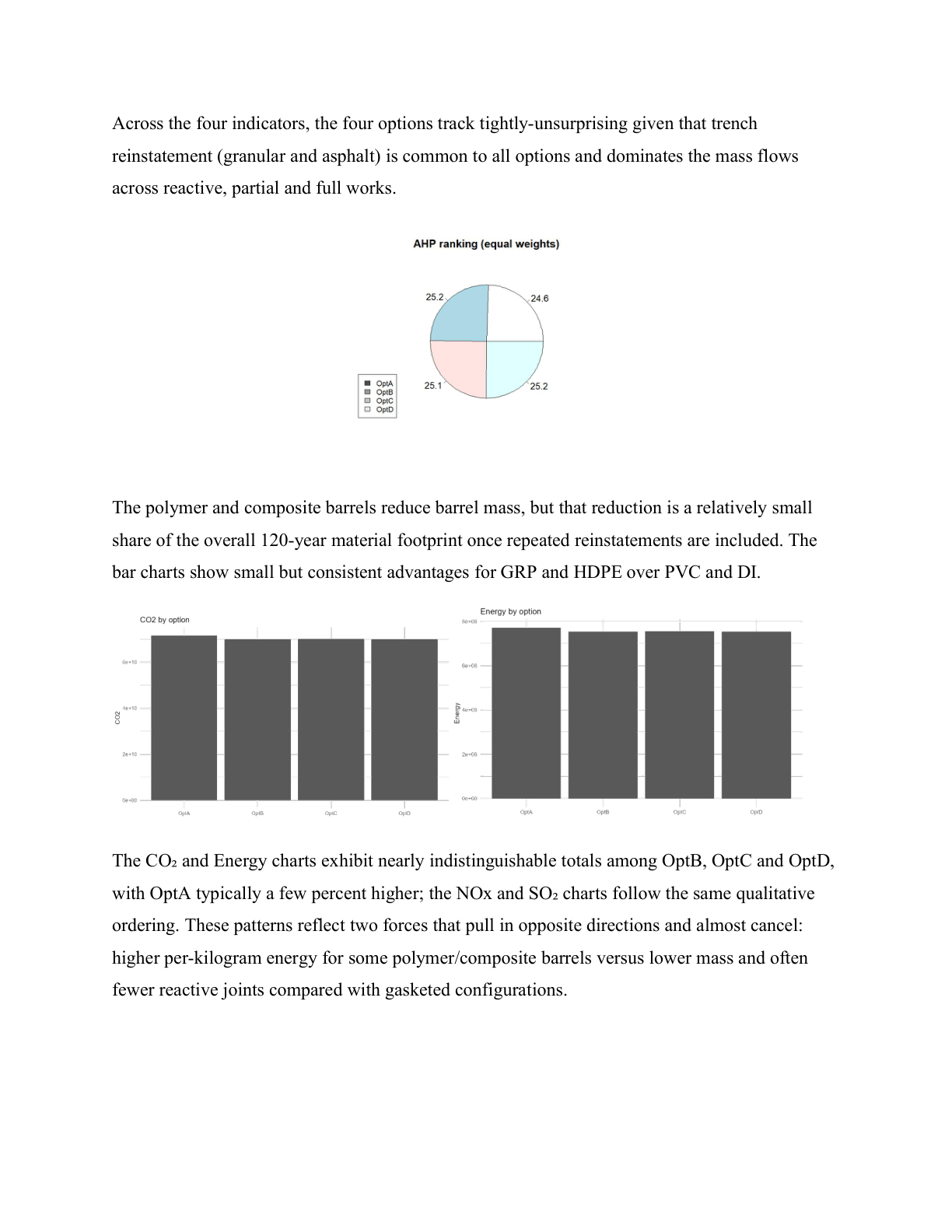
Figure 5. CO₂ emissions and energy demand for different pipeline options (source: LCA report, p.7).
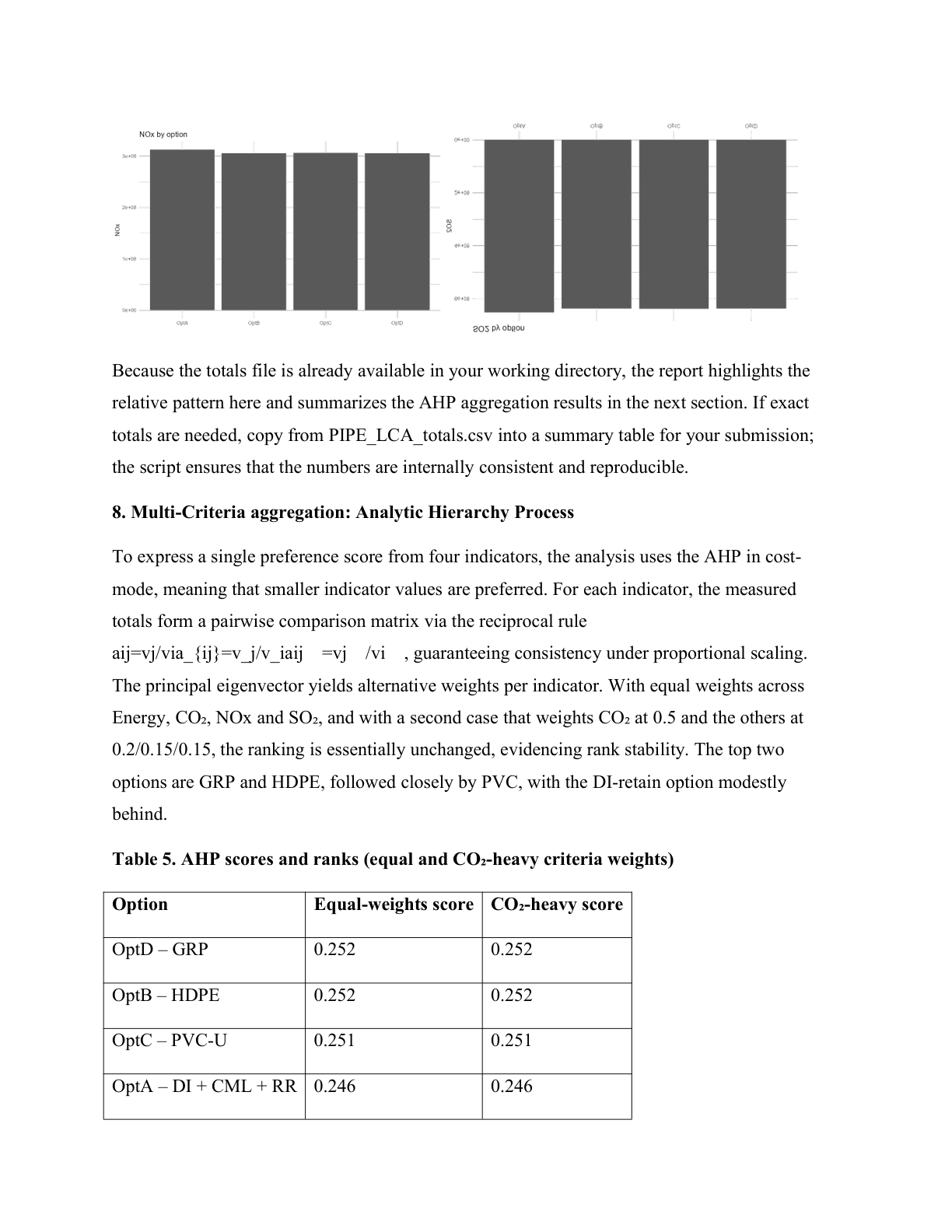
Figure 6. NOx and SO₂ emissions for different pipeline options (source: LCA report, p.8).
Multi-Criteria Decision Analysis:
An Analytic Hierarchy Process (AHP) was applied to aggregate the four environmental indicators into a single performance score. Both equal weighting and CO₂-dominant weighting scenarios were analysed.
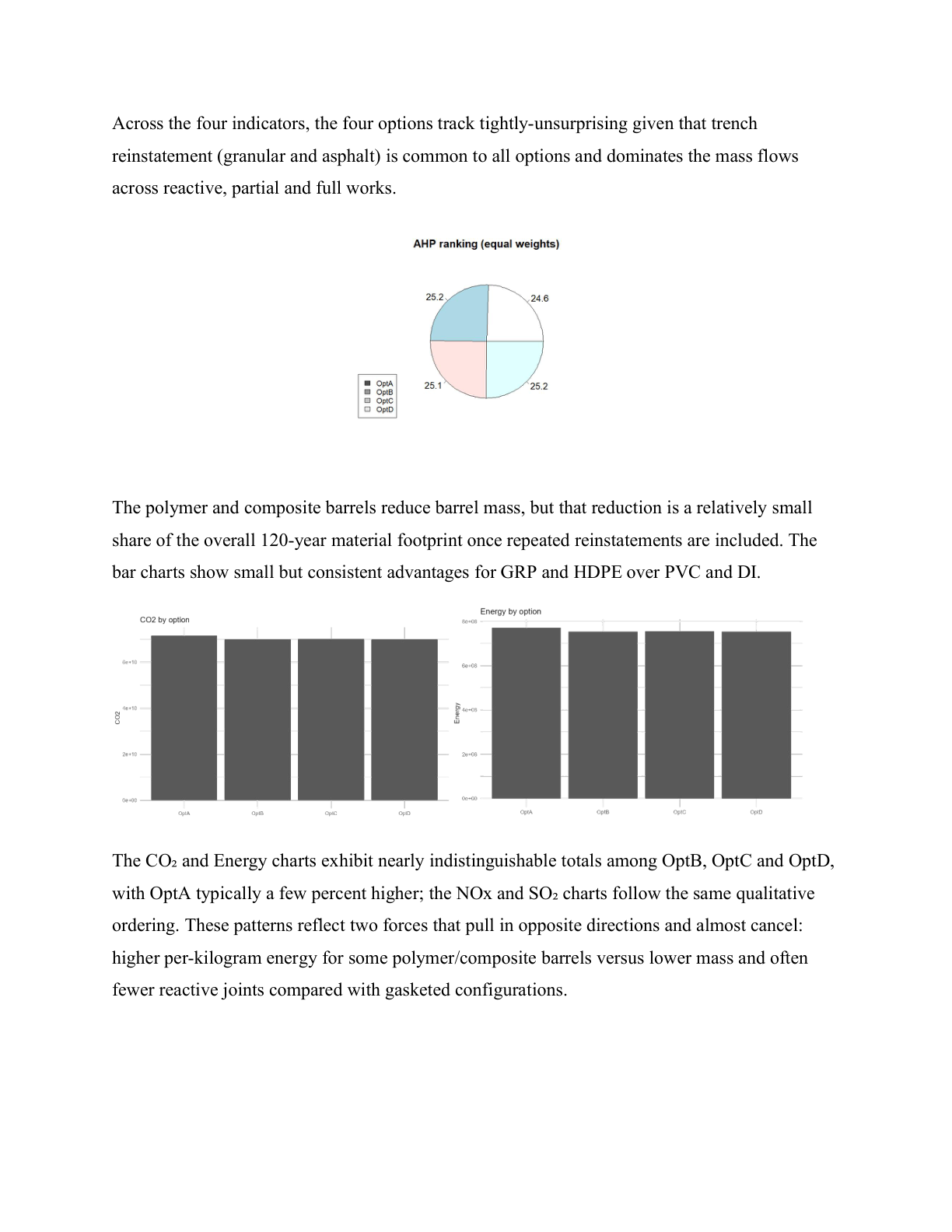
Figure 7. AHP ranking results (source: LCA report, p.7).
Conclusion:
The results indicate that GRP and HDPE pipelines show slightly better environmental performance, while the retained ductile iron option performs marginally worse. However, the dominant driver of impacts is the frequency of trench reopening, highlighting the importance of proactive maintenance strategies.
Next >