Introduction
The primary service level of the nearshore–offshore integrated infrastructure system lies in ensuring continuous and reliable energy supply and operational support for the onshore commercial building and parking facilities. To maintain this service level, it is essential to implement coordinated maintenance strategies that prevent disruptions to critical functions, including power availability, structural safety, accessibility, and overall system operability.
To minimize the duration of maintenance activities and maximize the time between interventions, this study emphasizes a system-level coordination of maintenance strategies across multiple subsystems. By synchronizing inspections and repair actions, the frequency of service interruptions can be reduced, ensuring a more efficient and cost-effective approach to long-term maintenance planning.
Integrated Maintenance Strategies
Table 1
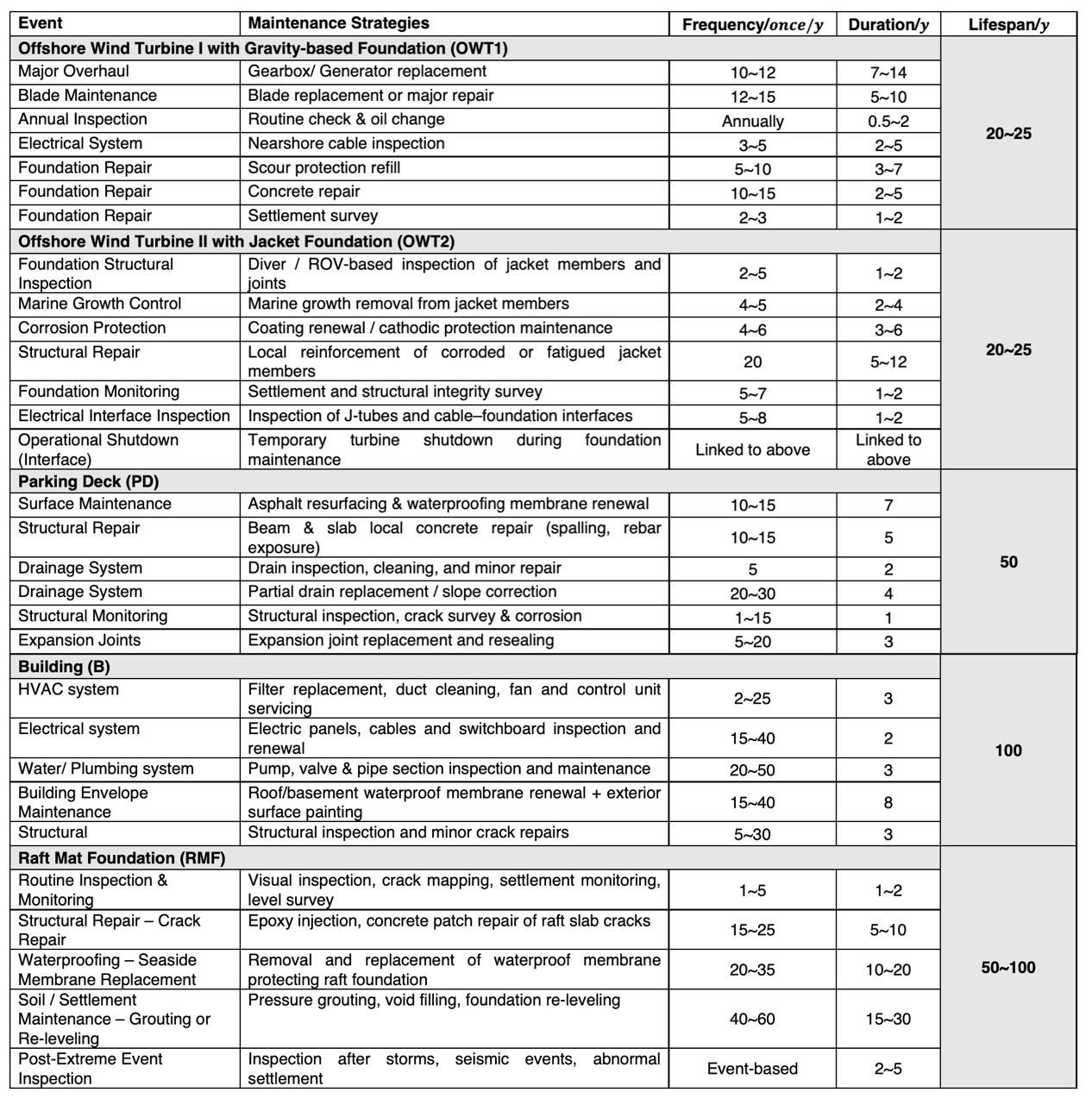
Table 1 summarizes the maintenance strategies of five heterogeneous subsystems. Some strategies exhibit relatively wide frequency ranges. This does not indicate uncertainty or inconsistency, but reflects the aggregation of maintenance actions with different levels of complexity under a single strategy category.
For example, in the building HVAC system, simple visual inspections or filter replacements may occur frequently, while more complex interventions such as duct cleaning or control unit servicing are performed at longer intervals. The reported frequency range therefore represents the combined scheduling flexibility within one maintenance category.
The subsystems also differ substantially in their design lifespans, ranging from approximately 20–25 years for offshore wind turbines to up to 100 years for building systems. These differences are explicitly retained, as they directly affect the interpretation of maintenance frequencies and the subsequent life cycle assessment and optimization.
For the integrated analysis, a common operational life cycle of 25 years is adopted, corresponding to the shortest design lifespan among the subsystems. The assessment is therefore limited to maintenance activities occurring between commissioning and end of service, with construction- and end-of-life processes excluded from the system boundary.
Table 2
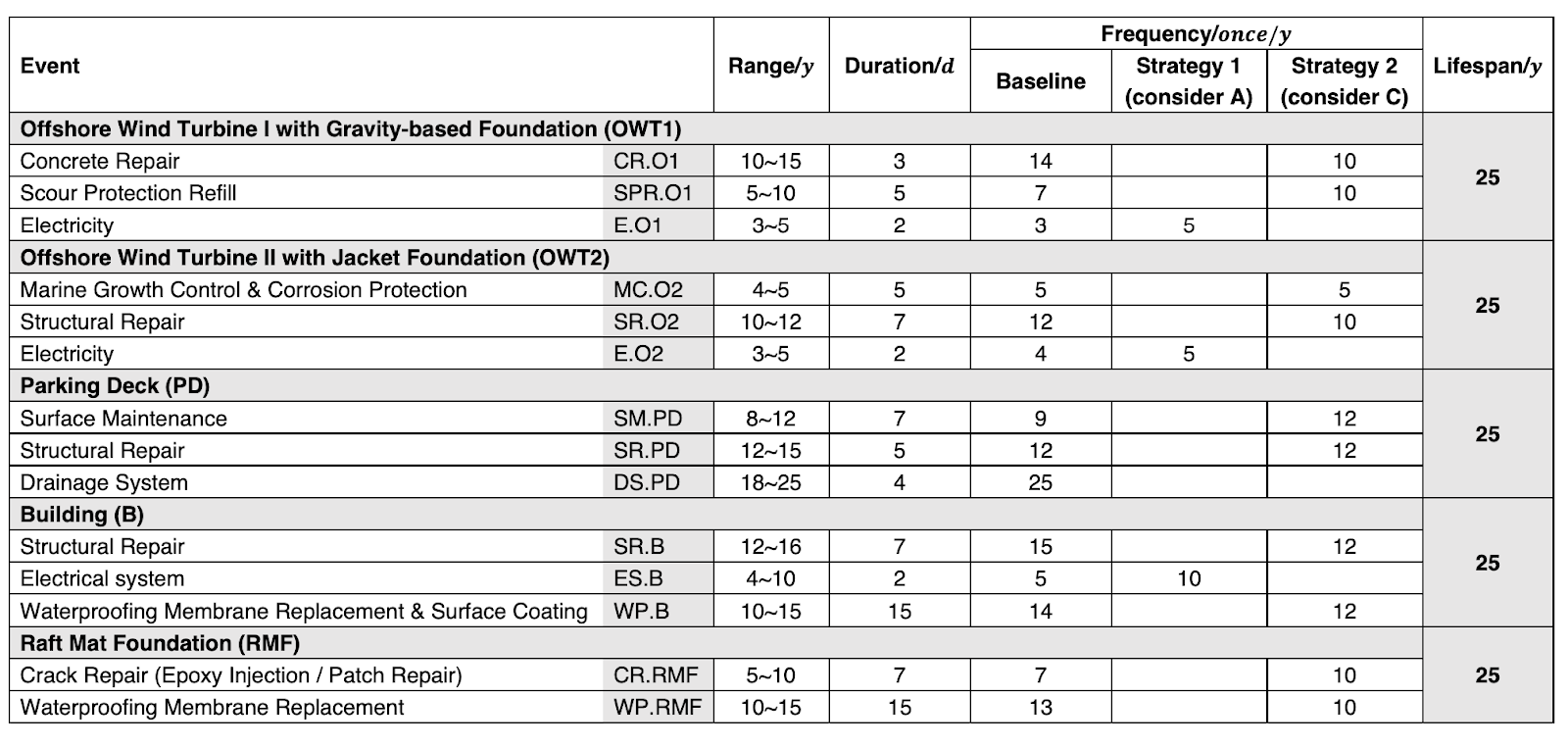
Table 2 shows the different integrated maintenance strategies within a common 25-year operational life cycle. Maintenance measures outside this time horizon are excluded, and similar system-specific actions are aggregated into representative strategies to support consistent optimization.
Uncoordinated Maintenance approach — Baseline
One approach to maintenance planning is to treat all maintenance events of the five subsystems independently, without attempting to merge or bundle similar tasks across systems. This approach is defined as the baseline maintenance strategy, representing a non-coordinated maintenance scheme in which each subsystem follows its default and unoptimized maintenance schedule. The maintenance events associated with this strategy are summarized in the “Baseline” column of Table 2 and illustrated in Figure 1. Due to the lack of coordination, the cumulative duration of all maintenance activities over the considered period reaches 89 days (see Figure 2), resulting in prolonged service disruptions and revealing significant operational inefficiencies.
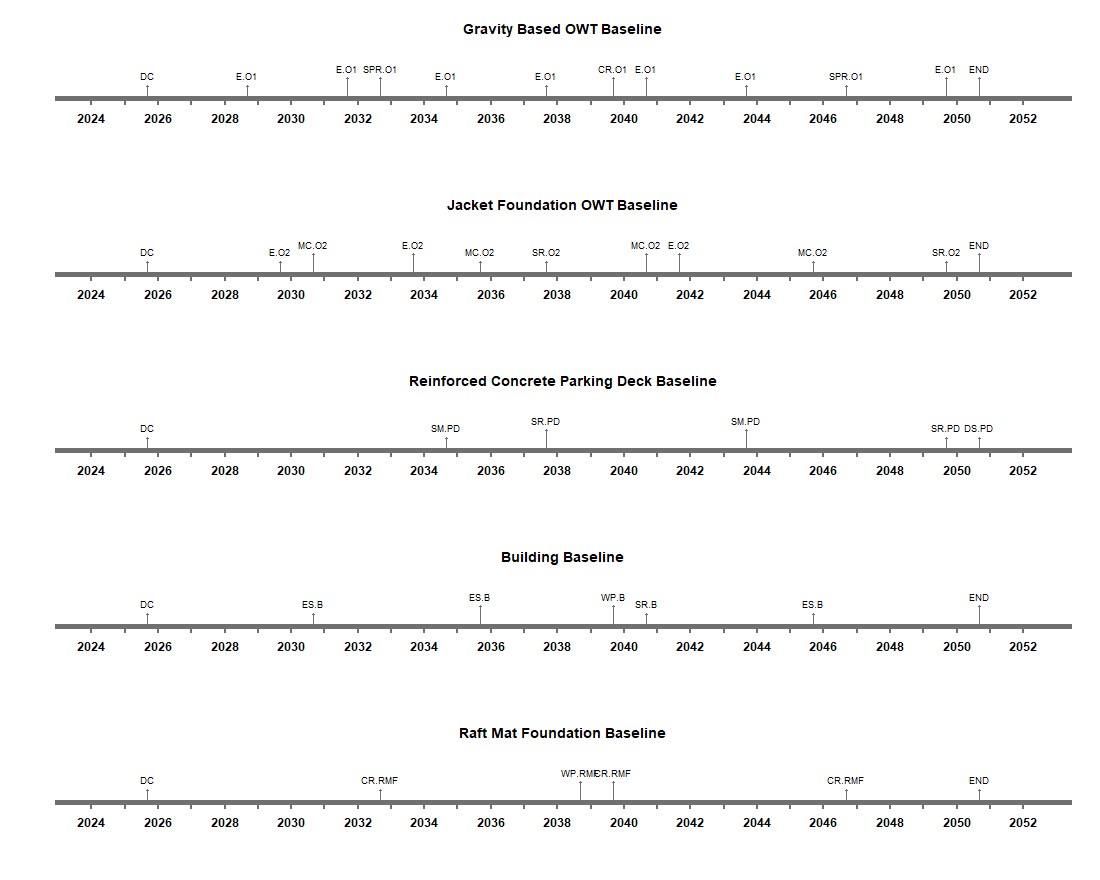
Fig. 1

Fig. 2
Bundled Maintenance Approach
The bundled maintenance approach involves adjusting the frequency of certain activities. By synchronizing maintenance events between different systems, this method can significantly reduce overall maintenance duration and increase maintenance intervals .
Before proposing bundled maintenance strategies, this study first classifies existing maintenance activities to ensure a more logical and systematic design of maintenance plans. The first category is A function-impacting maintenance, which may directly lead to a reduction in system service capacity; for example, electrical system maintenance of offshore wind turbines can cause power generation interruptions. The second category is B resource-sharing maintenance, where multiple systems may simultaneously rely on the same critical resources during maintenance activities, such as installation vessels or lifting equipment, thereby resulting in resource competition. The third category is C space-occupying maintenance, which typically requires road closures or occupation of operational areas and consequently affects system accessibility and usability.
The core objective of this chapter is to reduce the total duration of maintenance activities and to extend the effective operating intervals of the integrated system as much as possible. Based on this objective, the maintenance strategy design prioritizes the temporal bundling of function-impacting and space-occupying maintenance activities across different subsystems. When system functionality is already affected, concentrating related maintenance activities helps avoid repeated service interruptions; similarly, when operational space is already occupied, conducting multiple maintenance tasks simultaneously can reduce the frequency of space occupation events. In contrast, resource-sharing maintenance activities are deliberately scheduled to avoid temporal overlap in order to alleviate competition for shared resources.
Accordingly, the bundled maintenance strategies proposed in this study comprehensively consider the three types of maintenance activities, with particular emphasis on function-impacting and space-occupying events, leading to the development of different maintenance strategy combinations.
Strategy 1— Consider A Function Impact
In Strategy 1, it aims to align the occurrence frequencies of all function-impacting maintenance activities as much as possible. Specifically, the electrical system maintenance frequency of both OWT is uniformly set to once every 5 years, while the electrical system maintenance frequency of the commercial building is adjusted to once every 10 years, making it an integer multiple of the wind turbine maintenance cycle. Through this coordination, maintenance activities associated with functional interruptions can be more temporally concentrated, thereby reducing the number of service interruptions over the system’s operational lifetime. The maintenance events associated with this strategy are summarized in the “Strategy 1” column of Table 2 and illustrated in Figure 3. And its cumulative duration of all maintenance activities is 79 days (see Figure 4). It can be seen that by grouping function impact maintenance activities together in this system, the overall duration can be shortened
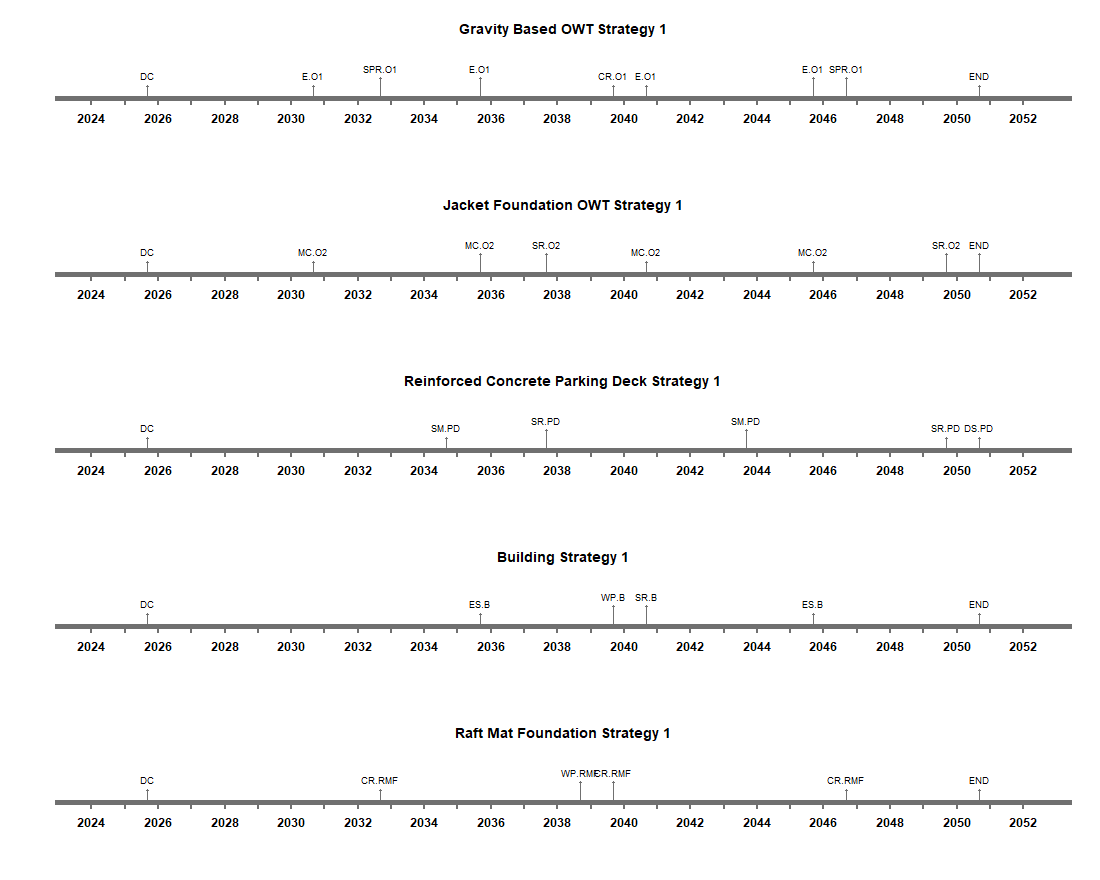
Fig. 3

Fig. 4
Strategy 2 — Consider C Space Impact
In Strategy 2, the focus is placed on coordinating all maintenance activities that occupy roads or operational spaces, aiming to align their occurrence frequencies as closely as possible. The maintenance events associated with this strategy are summarized in the “Strategy 2” column of Table 2 and illustrated in Figure 5. And its cumulative duration of all maintenance activities is 54 days (see Figure 6).It can be seen that by grouping the space impact maintenance activities in this system, the overall duration can be significantly shortened
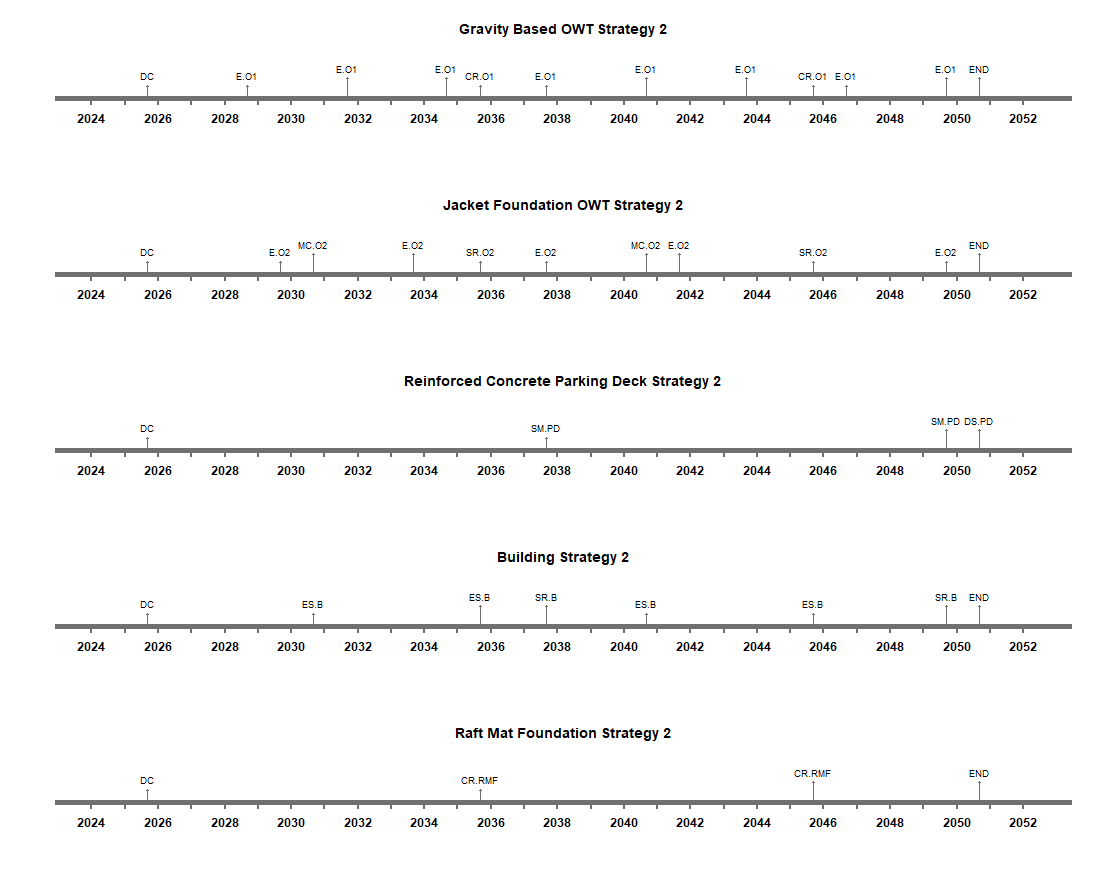
Fig. 5

Fig. 6
Based on our preference for the shortest duration and longest intervals, we compared the duration of each strategy and ultimately selected Strategy 2 as the optimal choice.
The timelines visualize the temporal distribution of maintenance events derived from predefined maintenance frequencies and system lifespans. They illustrate the baseline and scenario-specific strategies prior to their variation in the multi-objective optimization.
Optimization of Maintenance Schedule Strategies
Initial grid resolution
An initial simulation was conducted using a coarse grid resolution (n.grid = 2) to explore the maintenance optimization problem under computational constraints, shown in Fig. 7. Given the high dimensionality of the decision space (14 maintenance parameters across multiple subsystems), this setting was chosen as a computationally tractable first step.
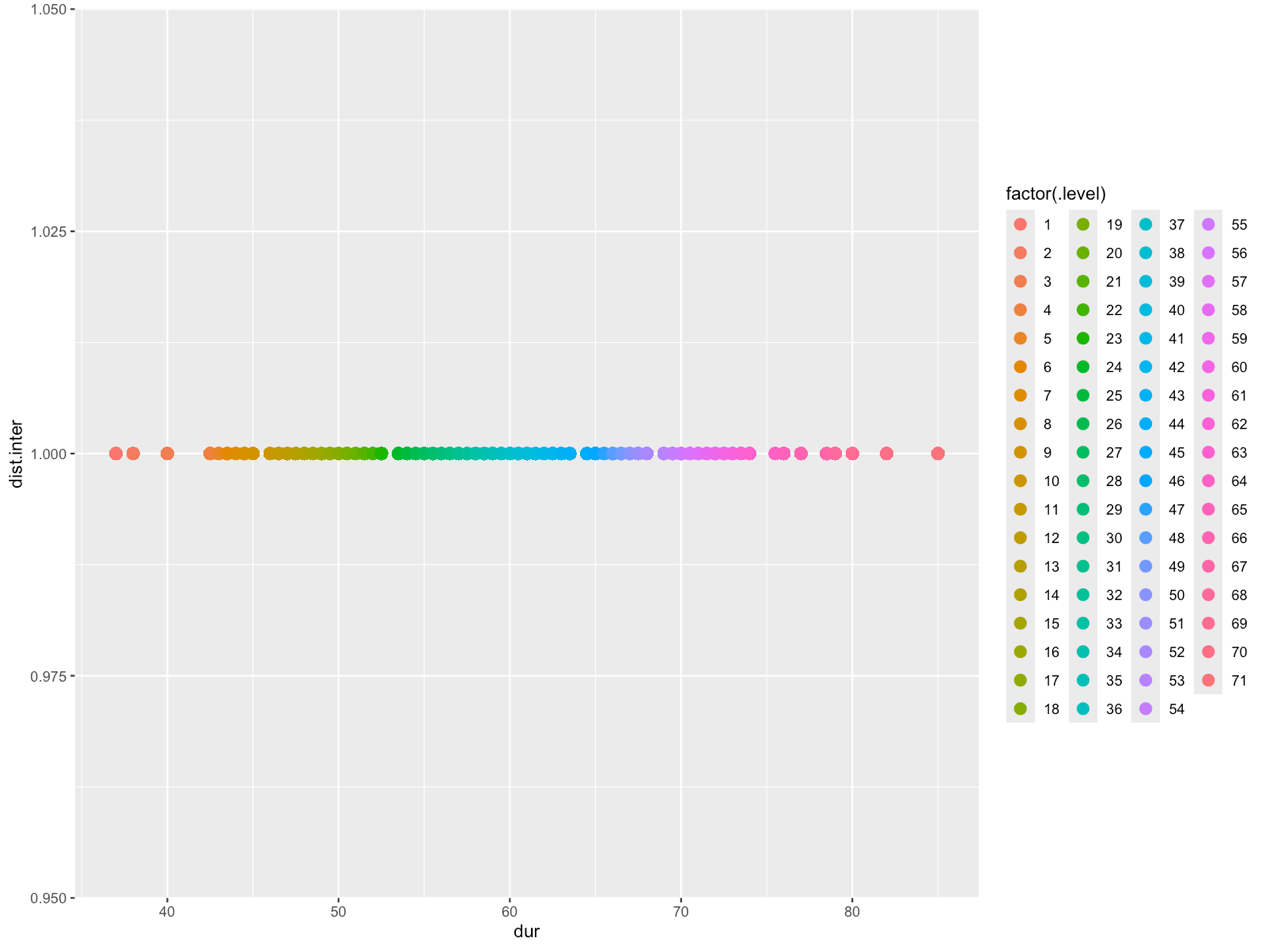
Fig. 7
The results indicate a strongly constrained solution space. While total intervention duration varies across solutions, the spacing between maintenance interventions collapses to a single value, indicating that intervention distance does not act as a differentiating objective at this resolution. As a consequence, a large proportion of solutions remain mutually non-dominated, resulting in a weakly structured and poorly resolved Pareto front.
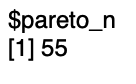
Fig. 8
This behavior suggests that the coarse discretization limits the expressiveness of the design space, particularly for subsystems with short operational lifespans such as offshore wind turbine components. To recover meaningful variation and trade-offs between objectives, a finer grid resolution is required. Subsequent simulations therefore adopt n.grid = 3.
Using a finer sampling resolution (n.grid = 3),shown in Fig. 9, the solution space shows a limited but observable expansion compared to the coarse grid case. While most solutions remain concentrated at an intervention distance of 1, a small subset extends to 2, indicating that increased grid resolution partially releases previously compressed dimensions of the design space.
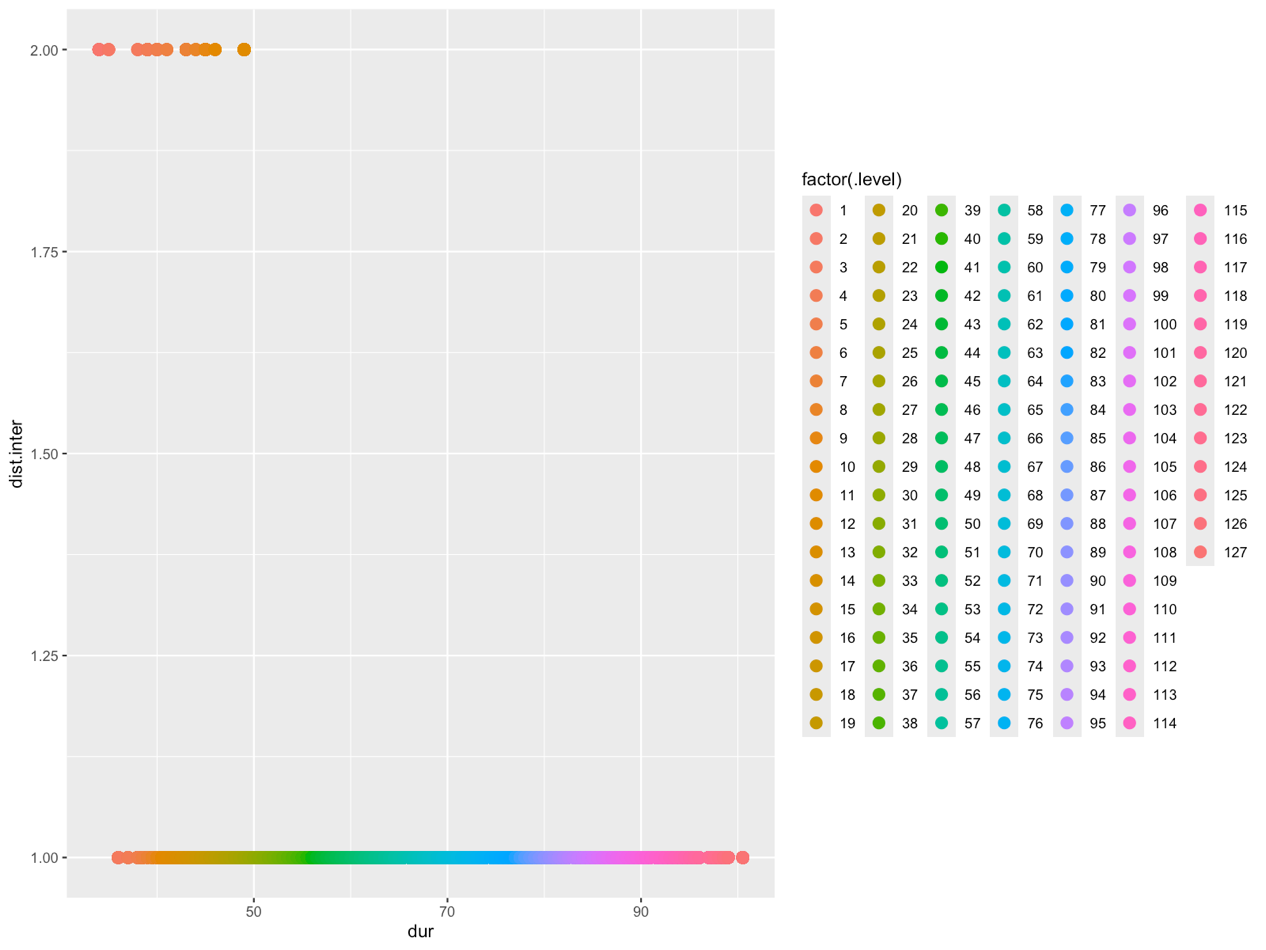
Fig. 9
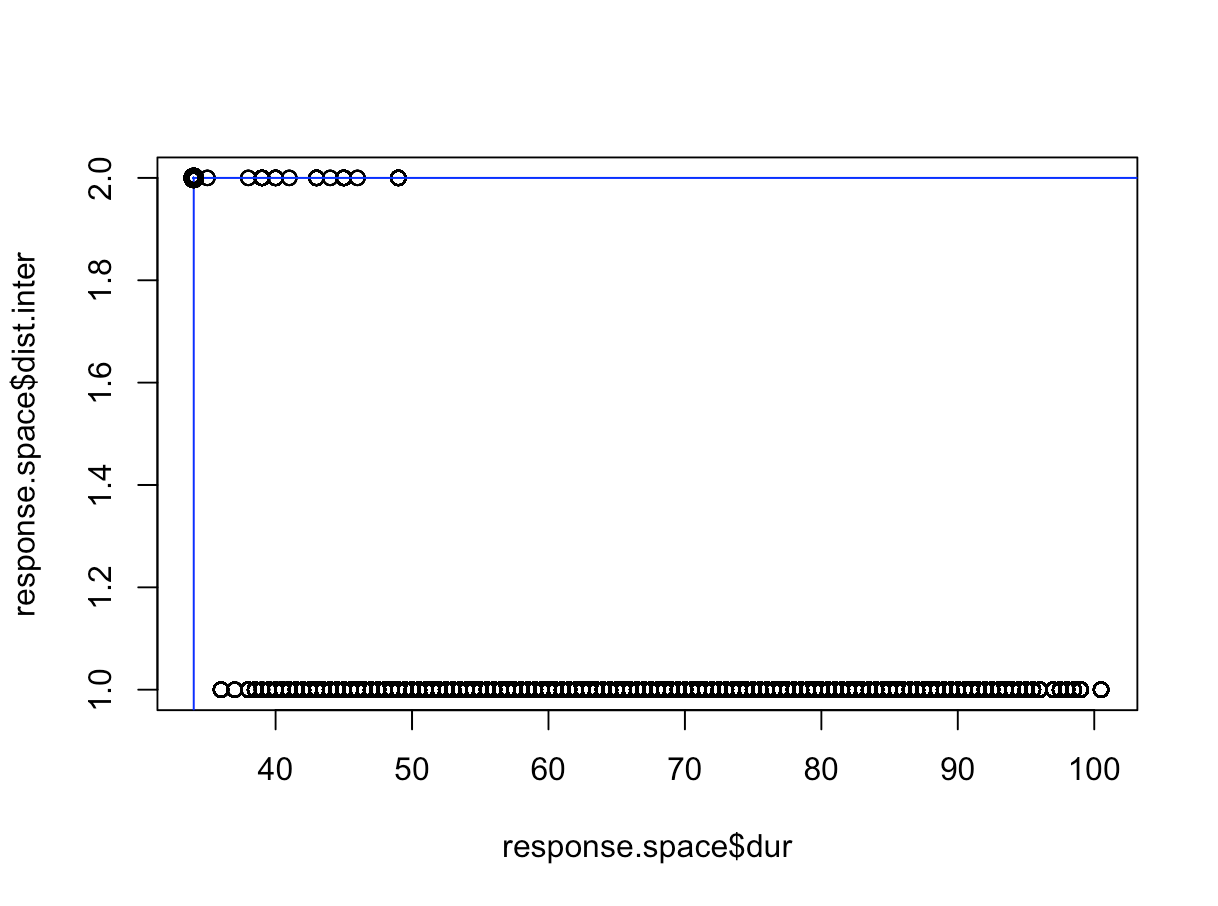
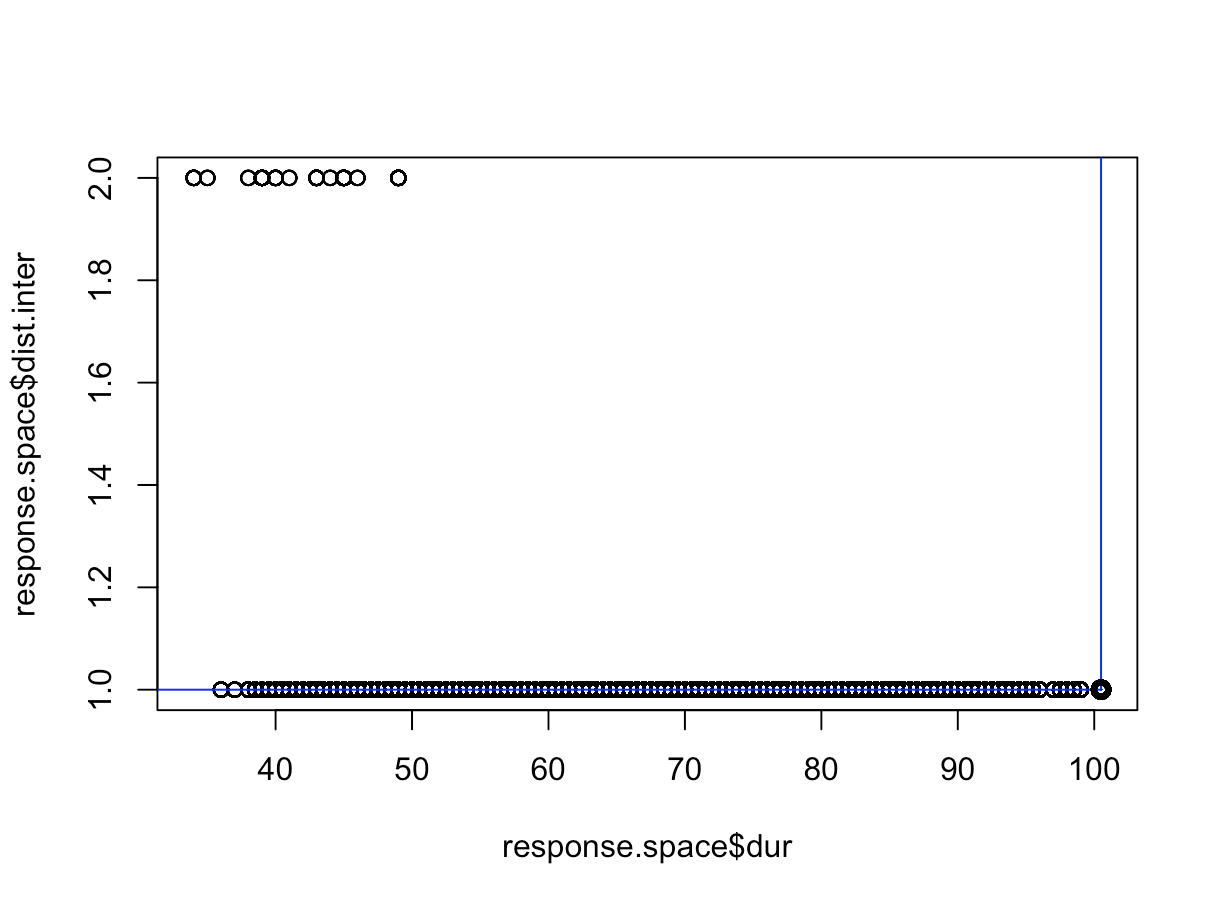
Fig. 10 & 11
Despite this, redundancy remains high: 100 samples yield 127 distinguishable factor combinations, and 64 solutions are classified as Pareto-optimal. The Pareto set largely overlaps with the full objective ranges, suggesting weak dominance relationships rather than clearly resolved trade-offs. Overall, n.grid = 3 improves structural expressiveness but remains sensitive to random sampling, motivating repeated runs and cross-comparison in subsequent analysis.
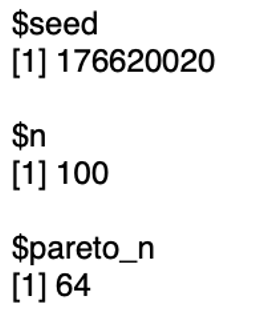
Fig. 12
To assess whether the observed Pareto structure under n.grid = 3 is robust or an artifact of stochastic sampling, the optimization was independently repeated across six runs using different random seeds.
Across all runs, the size of the Pareto set varies (42–81 out of 100 solutions), indicating sensitivity in the composition of non-dominated solutions. However, no systematic collapse toward a degenerate Pareto front is observed. In all cases, the Pareto set spans a broad portion of the objective space, with its extrema largely overlapping with those of the full solution set.
In particular, intervention spacing remains a differentiating dimension across all runs, confirming that the dimensional collapse observed under coarse discretization (n.grid = 2) does not reoccur at n.grid = 3. These results suggest that while random sampling affects the exact membership of Pareto-optimal solutions, the overall topology of the Pareto front is preserved.
Consequently, repeated runs and cross-comparison are required not to recover a missing structure, but to characterize the variability inherent to weak dominance relations in a high-dimensional maintenance optimization problem.
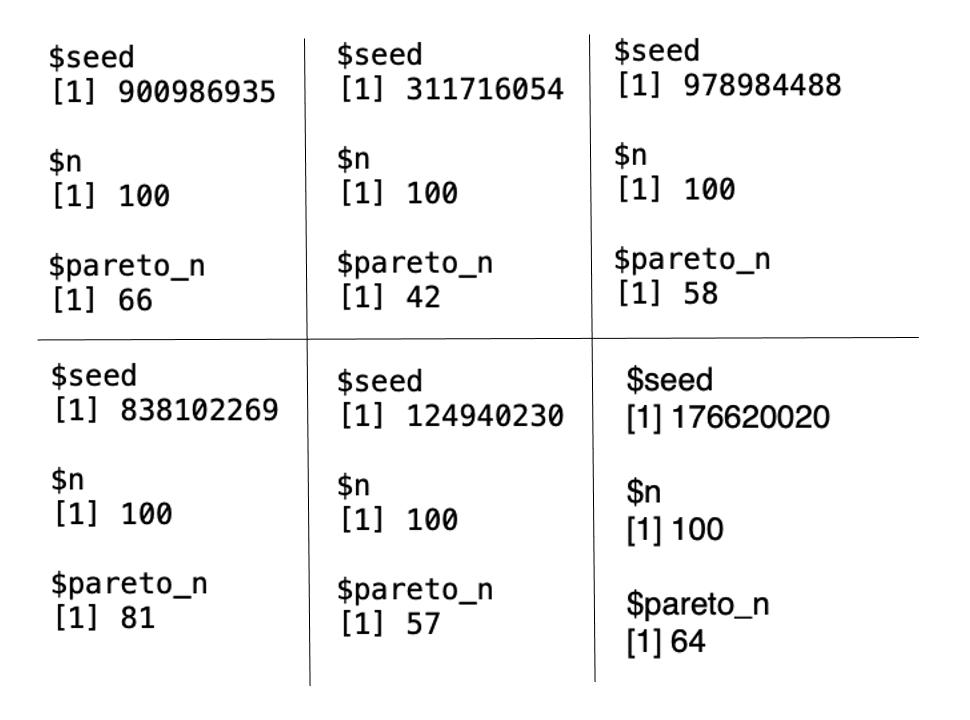
Fig. 13
Under the predefined baseline maintenance schedule, the total aggregated duration of all maintenance interventions amounts to 54 time units over the considered lifecycle horizon. This baseline serves as a reference against which the multi-objective optimization results are evaluated.

Fig. 14
References
El-Reedy, M. A. (2012). Offshore structures : design, construction and maintenance. Elsevier, Gulf Professional Publ.
García Márquez, F. P., Papaelias, M., & Junior, V. L. J. (2023). Non-destructive testing and condition monitoring techniques in wind energy (1st ed.). Academic Press.
Tavner, Peter, & Institution of Engineering Technology. (2012). Offshore wind turbines : reliability, availability and maintenance.
Zeinoddini, M., Ranjbar, P., Khalili, H., Ranaei, A., Golpour, H., & Fakheri, J. (2016). Remaining fatigue life assessment of aging fixed steel offshore jacket platforms. Structure and Infrastructure Engineering, 12(2), 223–238. https://doi.org/10.1080/15732479.2015.1009122
Scheu, M. N., Tremps, L., Smolka, U., Kolios, A., & Brennan, F. (2019). A systematic Failure Mode Effects and Criticality Analysis for offshore wind turbine systems towards integrated condition based maintenance strategies. Ocean Engineering, 176, 118–133. https://doi.org/10.1016/j.oceaneng.2019.02.048
Li, M., Wang, M., Kang, J., Sun, L., & Jin, P. (2020). An opportunistic maintenance strategy for offshore wind turbine system considering optimal maintenance intervals of subsystems. Ocean Engineering, 216, 108067. https://doi.org/10.1016/j.oceaneng.2020.108067
Gerhard Ersdal, John V. Sharp, Alexander Stacey. (2018). Ageing and Life Extension of Offshore Structures: The Challenge of Managing Structural Integrity (First edition.). Wiley. https://doi.org/10.1002/9781119284376
October (2006). HORNS REV 2 OFFSHORE WIND FARM Environmental impact assessment summary of the EIA Report.
Wang, S., Zeng, J., & Fan, Z. (2021). Durability analysis of high-performance concrete for marine engineering based on long-term exposure tests. Journal of Civil Engineering, 54(10), 82–89. (Chinese)
Offshore Wind Turbine Reliability, Availability and Maintenance DNVGL-ST-0126 / DNVGL-RP-0174
de Brito J, Silva A. Life Cycle Prediction and Maintenance of Buildings. Buildings. 2020; 10(6):112. https://doi.org/10.3390/buildings10060112
Lee S, Ahn Y. Analyzing the Long-Term Service Life of MEP Using the Probabilistic Approach in Residential Buildings. Sustainability. 2018; 10(10):3803. https://doi.org/10.3390/su10103803
Mydin, M. A. O., Nawi, M. N. M., & Munaaim, M. A. C. (2017). Assessment of waterproofing failures in concrete buildings and structures. Malaysian Construction Research Journal, 2(2), 166-179.
Perelli, F., Baroni, L., & Di Pietro, G. (2019). Durability and service life of waterproofing systems in concrete foundations and underground structures. Construction and Building Materials, 199, 343–354. https://doi.org/10.1016/j.conbuildmat.2018.12.038
ISO. (2017). ISO 15686-1: Buildings and constructed assets—Service life planning—Part 1: General principles. International Organization for Standardization.
ACI Committee 224. (2007). ACI 224.1R-07: Causes, evaluation, and repair of cracks in concrete structures. American Concrete Institute.
Home | Introduction | Integrated System | Maintenance Strategies | Life Cycle Analysis | Multi-Objective Optimization | Conclusion and Limitations