1. Integrated System Model
The system investigated in this project is a mini railway station composed of multiple structural and technical subsystems with distinct functional roles. Rather than analysing each component independently, the station is modelled as an integrated system, in which overall performance and safe operation depend on the interactions between subsystems over time. The considered subsystems include railway bridge, concrete stairs , floor, partition wall, and the boiler system. Each subsystem is characterised by different deterioration mechanisms, failure patterns, and maintenance requirements, but all contribute to the overall functionality of the station.
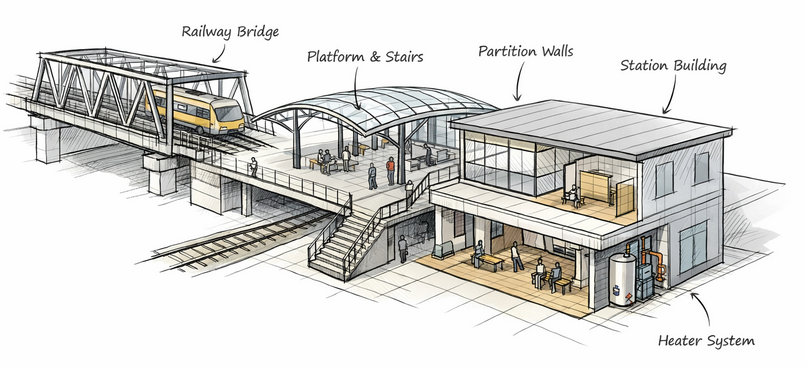
Figure 1. Schematic view of integrated system (Mini Railway Station). derived from Chatgpt
A key feature of the integrated system model is the differentiation between critical and non-critical subsystems. Structural components such as the railway bridge, platforms, and stairs are classified as critical, as their failure can directly compromise system safety and operability. In contrast, subsystems such as partition walls mainly affect local functionality and maintenance demand and do not necessarily lead to system shutdown when failing independently. By integrating the behaviour of all subsystems into a unified system-level representation, the model enables the identification of interactions and overlapping failures that cannot be captured through component-level analysis alone.
2. Objectives of the Integrated System Analysis
The primary objective of the integrated system model is to establish a consistent life-cycle framework that captures subsystem interactions, functional criticality, and the system-level consequences of failure and maintenance decisions. Specifically, the objectives of this study are to:
1. Develop a system-level representation that integrates failure and maintenance behaviour across all subsystems
2. Identify periods of overlapping deterioration and failure that influence overall system performance
3. Support coordinated maintenance planning through system-level analysis rather than component-level optimisation
4. Provide a structured basis for evaluating maintenance strategies in terms of availability, environmental impact, and life-cycle cost
By adopting an integrated system modelling approach, the study enables a comprehensive evaluation of maintenance strategies and supports subsequent life-cycle assessment and multi-objective optimization at the system level.
Home | introdaction | Integration Context | Maintenance Strategies | Life-cycle Analysis | Multi-Objective Optimizatin