The study area is located on sloping terrain, and the local soil conditions show low permeability, which can lead to increased soil weight under rainfall. Seismic risk is not considered in this study, and the evaluation focuses on the interaction between soil behavior, drainage performance, and structural safety.
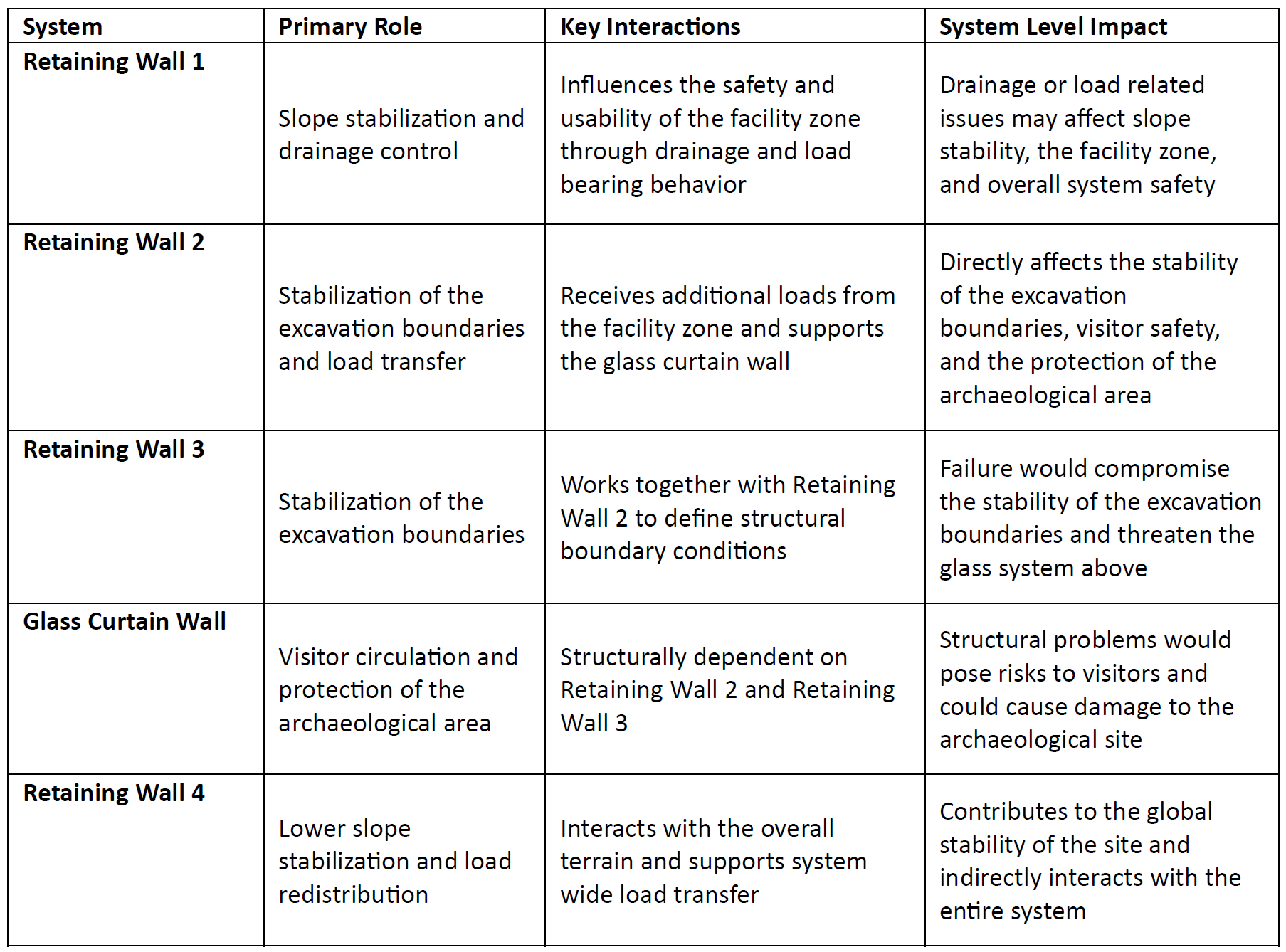
The steepest part of the site is retained by Retaining Wall 1, which plays a critical role in stabilizing the mountain side soil and managing drainage. Although this wall is not directly connected to the archaeological area, a facility zone is planned at its lower level to support visitor use. For this reason, potential problems in the drainage system would not only affect the wall’s stability but could also impact the safety and functionality of this facility zone.
The archaeological area is located below the facility zone in terms of elevation. During the excavation phase, temporary retaining systems were used; however, since the site is planned as a permanent exhibition area, permanent reinforced concrete retaining walls (Retaining Wall 2 and Retaining Wall 3) are proposed on both sides of the excavation. Among these, Retaining Wall 2 is of particular importance, as it is also required to carry additional loads generated by the facility zone above.
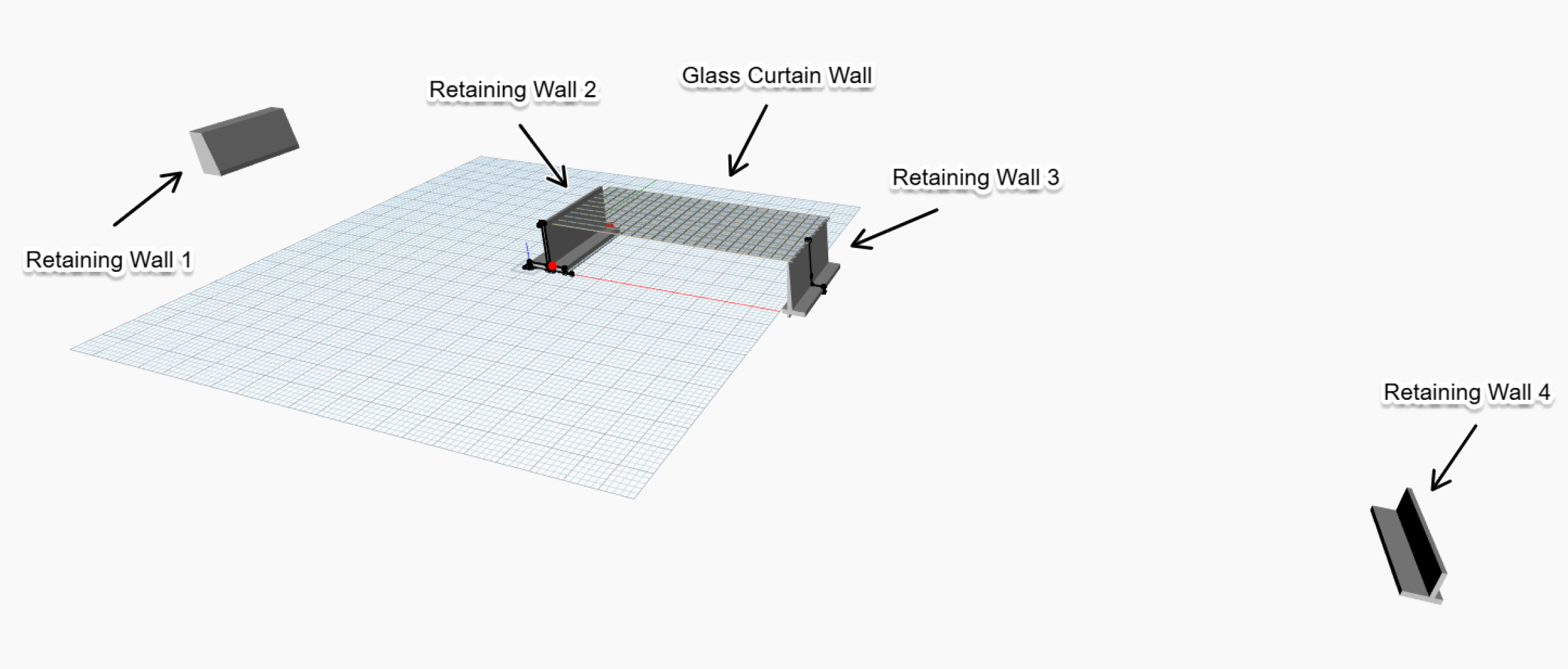
Figure 2. Parametric representation of the integrated structural system
Above these two retaining walls, a glass curtain wall system is introduced. While such systems are typically not designed as load-bearing elements, the glass structure in this project gains structural capacity through steel beams installed beneath it. This configuration allows visitors to experience the archaeological area without physically entering the excavation. However, the performance of the glass curtain wall is directly dependent on Retaining Wall 2 and Retaining Wall 3. If either of these walls fails to perform as intended, the stability of theglass system would be directly compromised. In addition, any structural issue within the glass curtain wall itself would pose a risk to visitor safety and could result in damage to the archaeological site.
Finally, Retaining Wall 4, located at the lower part of the terrain, may appear spatially detached from the main system but plays an important role in the overall stability of the area. Although it cannot prevent large scale landslides on its own, it helps control local soil movements and additional loads, thereby contributing to the stability of the system as a whole.
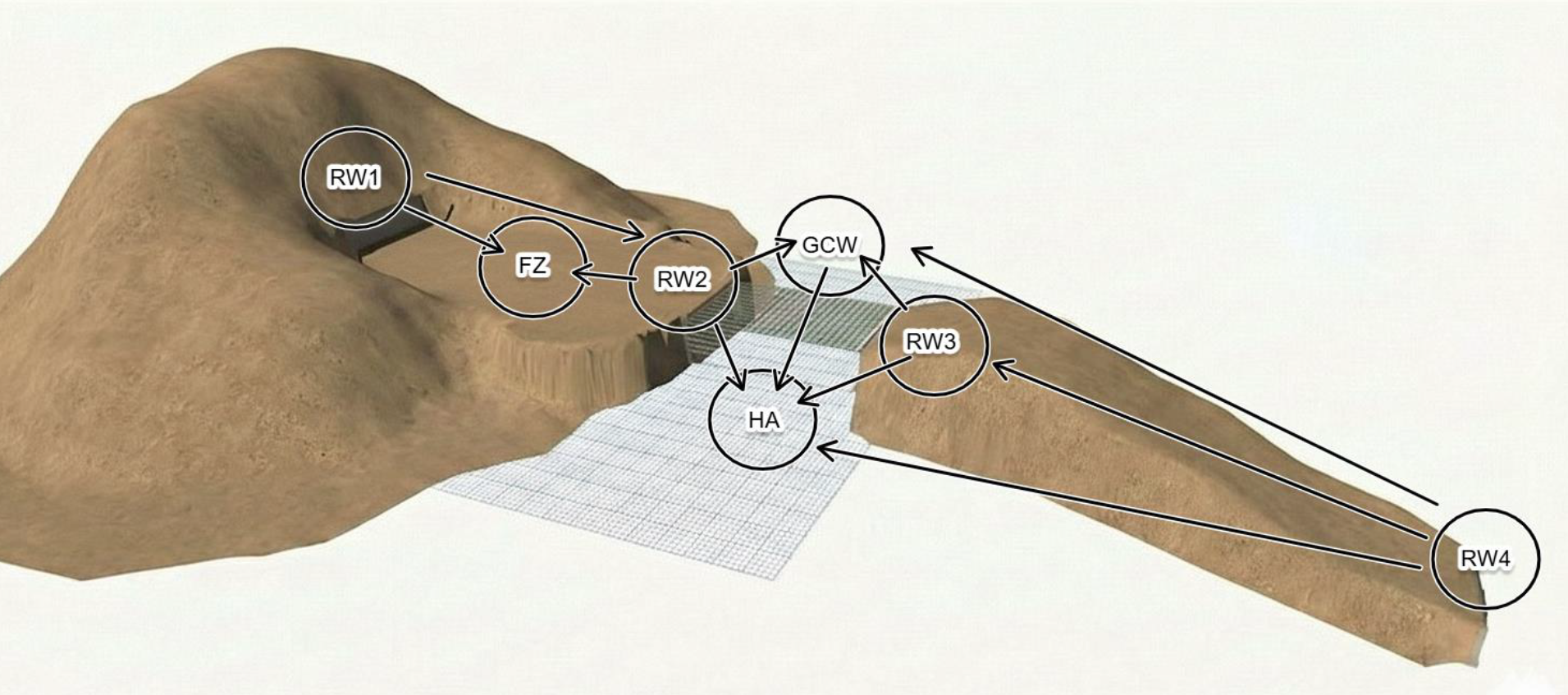
Figure 3. System level interaction network of the integrated structural components
Schematic representation of the interaction network between the structural components and functional zones within the integrated system. The diagram highlights how Retaining Walls (RW1–RW4), the Glass Curtain Wall (GCW), the Facility Zone (FZ), and the Archaeological Area (HA) are interconnected. Arrows indicate dependency and influence relationships, showing that design decisions and performance of one component can directly or indirectly affect other parts of the system.
Role of Each System in the Integration Context
Table 1. Role of each system within the integration context