Introduction
In commercial buildings dominated by reinforced concrete systems, beam design strongly influences embodied energy and environmental emissions. Within this context, this assignment compares three beam design options: reinforced concrete, steel, and engineered timber, under identical structural conditions. Environmental performance is evaluated using life-cycle indicators (energy consumption, CO₂, NOx, SO₂), and the Analytic Hierarchy Process (AHP) is applied to rank the alternatives and identify the most sustainable beam option.
Goal and Scope
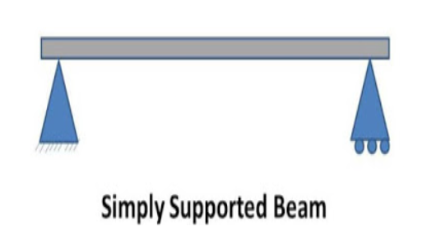
The goal of this assessment is to compare the environmental performance of three beam design options and support sustainable material selection at the component level. The analysis focuses exclusively on the beam element, with all alternatives assumed to provide equivalent structural performance.
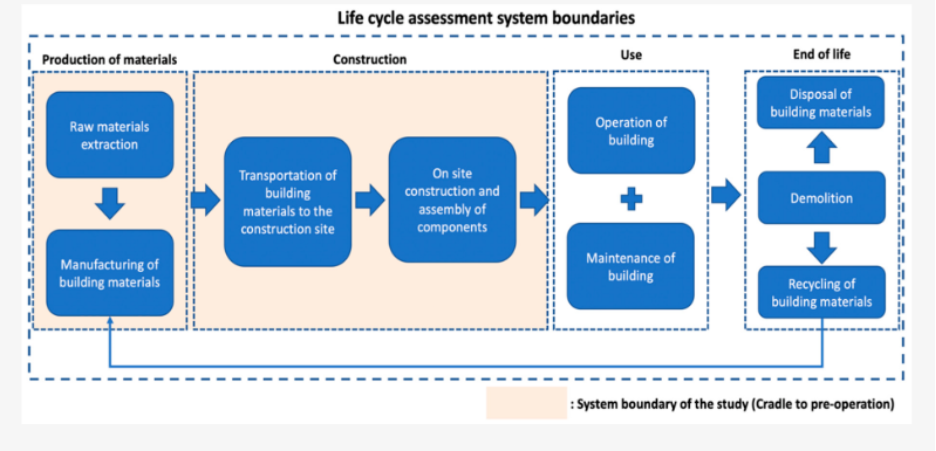
The system boundary covers material extraction and production, transport to site, construction, and maintenance over a 50-year service life. Operational energy use and end-of-life processes are excluded to maintain consistency across the compared beam designs and to reflect the component-level focus of the study.
Design Options
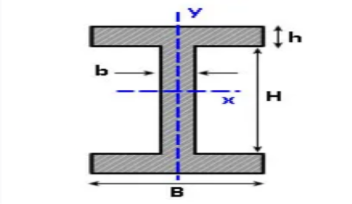
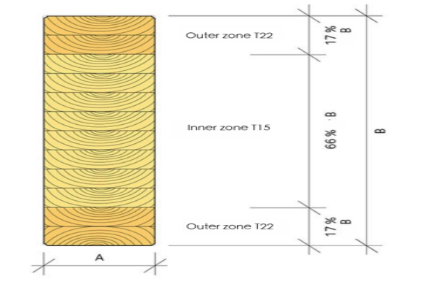
| Design Option | Beam Type | Cross-Section | Material |
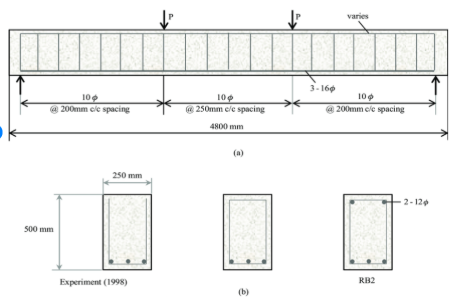
| Option 1 | Reinforced Concrete (RCC) | 400 × 600 mm | C37 concrete, reinforced |
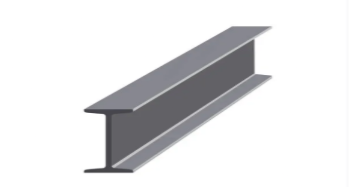
| Option 2 | Steel Beam | IPE 300 | Structural steel (S355) |
| Option 3 | Timber Beam | 440 × 800 mm | Glulam (GL24h) |
Table 1: Design Options and its parameters for Life Cycle Inventory Analysis
Life cycle Inventory Analysis
| Material | Scope | QuantitiesKg/m3 | Energy(MJ/t) | CO2 (kg/kg) | NOX (kg/kg) | SO2 (kg/kg) |
| Cement (grade 42) | RCC | 3150 | 4.325 | 0.819 | 0.177 | 0.065 |
| Coarse Aggregates | RCC | 1050 | 0.0035 | 0.016 | 0.0018 | 0.0018 |
| Fine Aggregates | RCC | 750 | 0.0023 | 0.0053 | 0.009 | 0.009 |
| Reinforcement Steel (500 Mpa) | RCC | 250 | 2430 | 1.85 | 0.71 | 1.85 |
| Formwork | RCC | 30 | 5 | 0.2 | 0.05 | 0.01 |
| Structural Steel (S355) | SB | 7850 | 2430 | 1.85 | 0.71 | 1.85 |
| Protective Coating (Epoxy/Zinc) | SB | 50 | 110 | 3.1 | 0.12 | 0.02 |
| Engineered Timber (Glulam GL24h) | TB | 420 | 11 | 0.23 | 0.12 | 0.02 |
| Steel Connectors/ Dowels | TB | 25 | 2430 | 1.85 | 0.71 | 1.85 |
Table 2: Life Cycle Inventory of materials
Cement and reinforcement steel dominate CO₂ emissions and energy demand in the reinforced concrete and steel beams. Timber beams show lower overall impacts, and the inventory data are sourced from ÖKOBAUDAT and certified Environmental Product Declarations (EPDs).
Interventions for Structural Beams
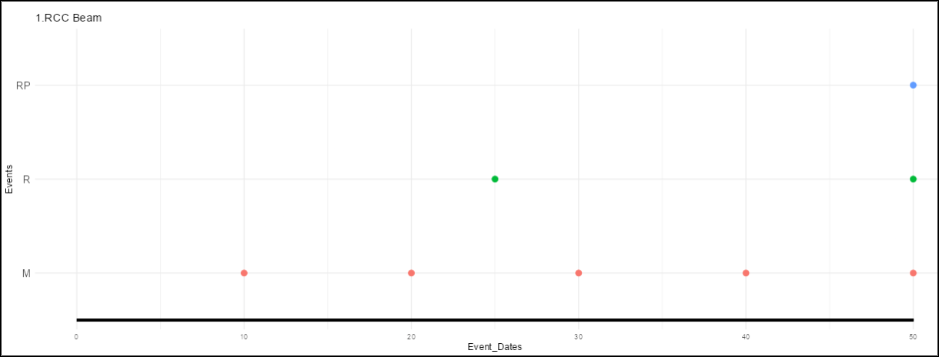
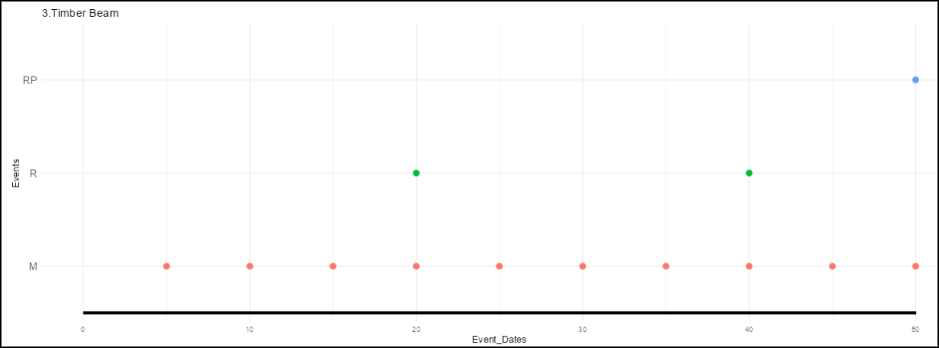
A 50-year life cycle is assumed for all beam options, with maintenance, repair, and replacement intervals defined based on material-specific durability. Reinforced concrete beams follow inspection and mid-life repair intervals from Chen et al. (2021), steel beam interventions are based on corrosion behavior from Borgioli (2023), and timber beam maintenance reflects sensitivity to moisture and biological decay. These intervention schedules are applied consistently to generate the life-cycle timelines.
| Design Option | Event | Frequency | Total Lifespan(years) |
| RCC Beam | M | 10 | 50 |
| RCC Beam | R | 25 | 50 |
| RCC Beam | RP | 50 | 50 |
| Steel Beam | M | 5 | 50 |
| Steel Beam | CRS | 8 | 50 |
| Steel Beam | PR | 20 | 50 |
| Steel Beam | RP | 50 | 50 |
| Timber Beam | M | 5 | 50 |
| Timber Beam | R | 20 | 50 |
| Timber Beam | RP | 50 | 50 |
Where, M = Maintenance, R = Repair, RP = Replacement, PR = Partial Replacement, CRS= Coating Renewal for Steel
Life Cycle Cost Analysis
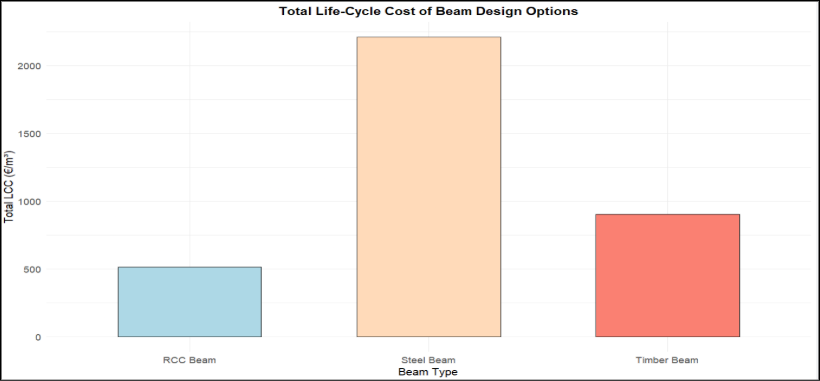
The reinforced concrete beam shows the lowest life-cycle cost, while the steel beam is the most expensive due to higher material, construction, and maintenance costs.
Results and Discussions
1.Total Energy Consumption and Emissions of Each Beam System
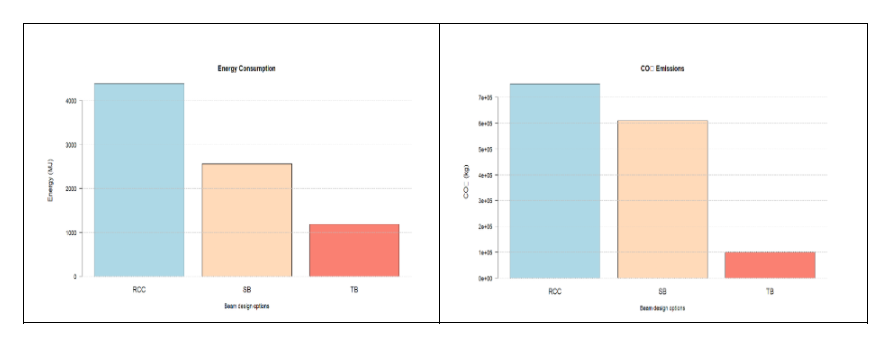
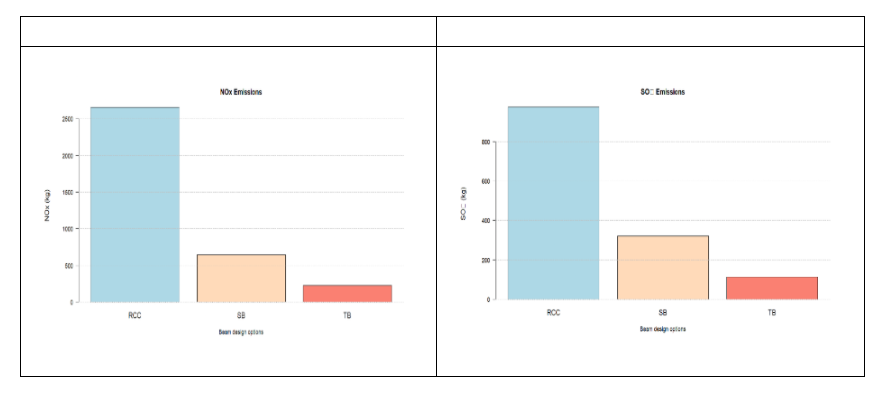
- RCC beams show higher energy use and CO₂ emissions due to cement production and reinforcement steel content.
- Steel beams have the highest overall energy demand, driven by primary steel manufacturing and repeated maintenance.
- Timber beams exhibit the lowest energy use and emissions, reflecting lower embodied impacts of engineered wood.
- Overall, timber beams perform best environmentally, while RCC and steel beams show progressively higher impacts.
2. Multi-Criteria Decision-Making Analysis (AHP)
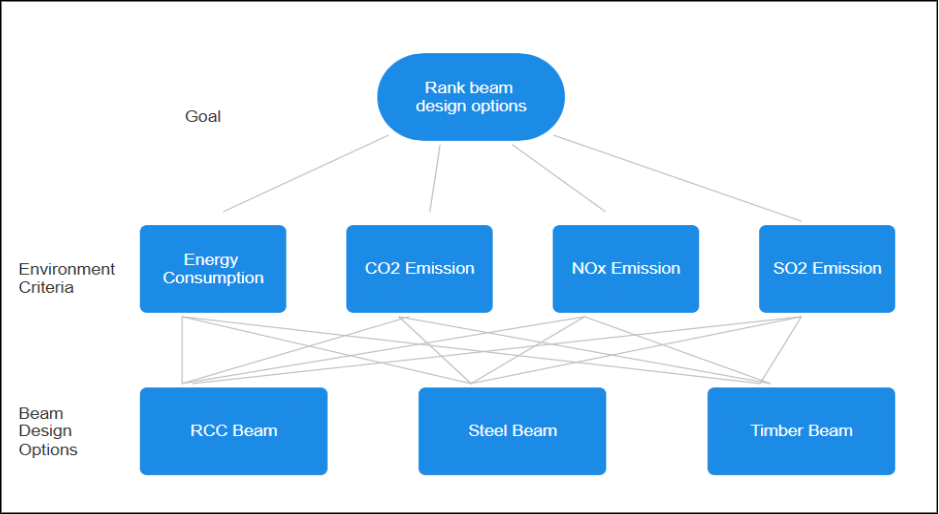
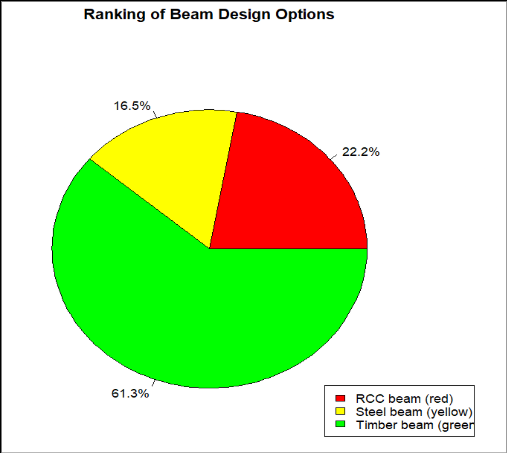
The AHP results show that timber beams achieve the highest preference score (61.3%), making them the most sustainable option based on combined energy and emission indicators. Reinforced concrete beams rank second (22.2%), while steel beams receive the lowest score (16.5%), reflecting their higher environmental burdens.
Conclusion and Recommendations
Timber beams are identified as the most sustainable option, showing consistently low energy use and emissions across the life cycle.
Reinforced concrete performs moderately, while steel beams show the highest environmental and energy impacts.
Based on the AHP results, timber beams are recommended where sustainability is a key design objective.
References
- UNEP, U. (2022). 2022 global status report for buildings and construction: towards a zero-emission, efficient and resilient buildings and construction sector.
- Paik I, Na S. Comparison of Environmental Impact of Three Different Slab Systems for Life Cycle Assessment of a Commercial Building in South Korea. Applied Sciences. 2020; 10(20):7278. https://doi.org/10.3390/app10207278
- de Paula Filho, José Humberto Matias, et al. “Life-cycle assessment of an office building: influence of the structural design on the embodied carbon emissions.” Modelling 5.1 (2023): 55-70.
- German Federal Ministry for Housing, Urban Development and Building.
ÖKOBAUDAT: National Database for Life Cycle Assessment Data in the Building Sector. 2024. https://www.oekobaudat.de/en/ - Environmental Product Declaration: Hot-Rolled Steel Sections. Brussels, 2023.
https://worldsteel.org/steel-by-topic/life-cycle-thinking/ - Environmental Product Declaration: Glued Laminated Timber (GL24h).
International EPD System, 2024. https://www.epd-online.com/ - Chen, E., Berrocal, C. G., Löfgren, I., & Lundgren, K. (2022). Comparison of the service life, life-cycle costs and assessment of hybrid and traditional reinforced concrete through a case study of bridge edge beams in Sweden. Structure and Infrastructure Engineering, 19(1), 39-57. https://doi.org/10.1080/15732479.2021.1919720
- Borgioli, F. The Corrosion Behavior in Different Environments of Austenitic Stainless Steels Subjected to Thermochemical Surface Treatments at Low Temperatures: An Overview. Metals 2023, 13, 776. https://doi.org/10.3390/met13040776
- Gu, Hongmei, Shaobo Liang, and Richard Bergman. “Comparison of building construction and life-cycle cost for a high-rise mass timber building with its concrete alternative.” Forest Products Journal 70.4 (2020): 482-492.
- Saaty, Thomas L. The Analytic Hierarchy Process: Planning, Priority Setting, Resource Allocation. McGraw-Hill International, 1980.